
Iron Range Miners
Today is Tuesday, February 9th, 2010
On The Calendar
Upcoming Game
February 12th, 2010, 6:00PM-6:50PM
I.M. Mite 2 vs. Jim's at Negaunee Ice Arena

Welcome to the Iron Range Hockey Web Site!

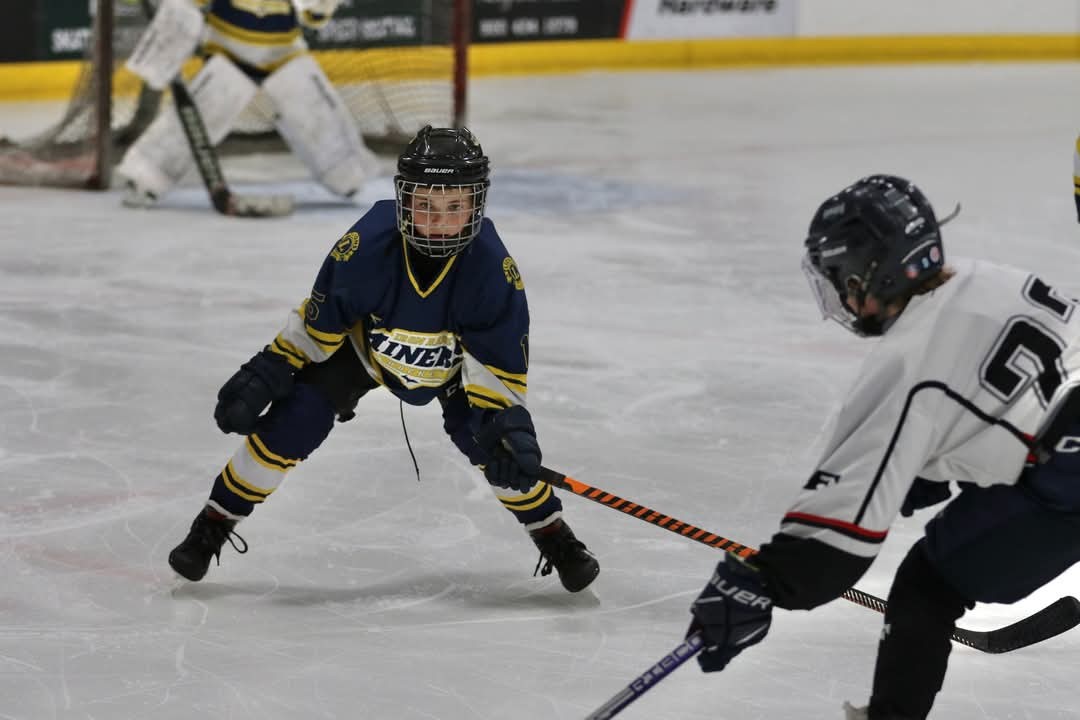
We are a House League Hockey Association for Mites through Midget levels, both boys and girls, and the home of the Negaunee Miners High School Hockey Team. We are affiliated with both USA Hockey and Michigan Amateur Hockey Association.


COMMITTEES THAT NEED TO BE FILLED*

End of Year Banquet/Scholastic Achievement Banquet - END OF YEAR IS FAST APPROACHING!!!! Please consider this!!

Head of Referee/TimeKeepers - please see Mary LaBelle if you are interested.

Head of Concession Stand for 2010/2011 Season - 3 people are needed. Please see Chris Roose if interested.

We are in need of a director for the Instruction Mite Level - please see a member of the board if you are interested.


Board Member Elections: The following will continue on the IRHA Board - Patrick Moyle, Kim Tull, Jim Hetrick. Thank you all for agreeing to another term!!

Everyone please welcome our new board member Jayne Mattias. Jayne was appointed to the IRHA Board at our February 3, 2010 meeting.


A Special Note in regards to MRSA otherwise known as Methicillin-Resistant Staphylococcus aureus

How should athletic facilities be managed when an MRSA infection occurs?

•Athletic facilities such as locker rooms should always be kept clean whether or not MRSA infections have occurred among the athletes. •Review cleaning procedures and schedules with the janitorial/environmental service staff. ◦Cleaning procedures should focus on commonly touched surfaces and surfaces that come into direct contact with people's bare skin each day. ◦Cleaning with detergent-based cleaners or Environmental Protection Agency (EPA) -registered detergents/disinfectants will remove MRSA from surfaces. ◦Cleaners and disinfectants, including household chlorine bleach, can be irritating and exposure to these chemicals has been associated with health problems such as asthma and skin and eye irritation. ■Take appropriate precautions described on the product's label instructions to reduce exposure. Wearing personal protective equipment such as gloves and eye protection may be indicated. . ◦Follow the instruction labels on all cleaners and disinfectants, including household chlorine bleach, to make sure they are used safely and correctly. ■Some key questions that should be answered by reading the label include: ■How should the cleaner or disinfectant be applied? ■Do you need to clean surface first before using the disinfectant (e.g., precleaned surfaces)? ■Is it safe for the surface? Some cleaners and disinfectants, including household chlorine bleach, might damage some surfaces (e.g., metals, some plastics). ■How long do you need to leave it on the surface to be effective (i.e., contact time)? ■Do you need to rinse the surface with water after using the cleaner or disinfectant? ◦If you are using household chlorine bleach, check the label to see if the product has specific instructions for disinfection. If no disinfection instructions exist, then use 1/4 cup of regular household bleach in 1 gallon of water (a 1:100 dilution equivalent to 500-615 parts per million [ppm] of available chlorine) for disinfection of pre-cleaned surfaces. ◦Environmental cleaners and disinfectants should not be put onto to skin or wounds and should never be used to treat infections. ◦The EPA provides a list of registered products that work against MRSA (List H): http://epa.gov/oppad001/chemregindex.htm •There is a lack of evidence that large-scale use (e.g., spraying or fogging rooms or surfaces) of disinfectants will prevent MRSA infections more effectively than a more targeted approach of cleaning frequently-touched surfaces. •Repair or dispose of equipment and furniture with damaged surfaces that do not allow surfaces to be adequately cleaned. •Covering infections will greatly reduce the risks of surfaces becoming contaminated with MRSA. Top

How should sports equipment be cleaned?

•Equipment, such as helmets and protective gear, should be cleaned according to the equipment manufacturers' instructions to make sure the cleaner will not harm the item. •Shared equipment should be cleaned after each use and allowed to dry. Top

Should athletes with MRSA skin infections be excluded from participation?

•If sport-specific rules do not exist, in general, athletes should be excluded if wounds cannot be properly covered during participation. ◦The term "properly covered" means that the skin infection is covered by a securely attached bandage or dressing that will contain all drainage and will remain intact throughout the activity. If wounds can be properly covered, good hygiene measures should be stressed to the athlete such as performing hand hygiene before and after changing bandages and throwing used bandages in the trash. •A healthcare provider might exclude an athlete if the activity poses a risk to the health of the infected athlete (such as injury to the infected area), even though the infection can be properly covered. •Athletes with active infections or open wounds should not use whirlpools or therapy pools not cleaned between athletes and other common-use water facilities like swimming pools until infections and wounds are healed.


Copyright © 2010 by Iron Range Miners
Call (906)475-9564 or send email with any questions or comments

Site by the U.P. Web Maestro - www.upwebmaestro.com
Helmet